
Immediate Inmate Information
Trying to understand what happens after someone enters an Orange County jail? Booking, housing, court transportation and release are separate parts of the custody process. This guide explains those differences, the services described in county sources, and the questions families can ask next.
Request Inmate Information Call Now
Prepared by OC-Jail.com. Source review: October 29, 2026. Historical background and photographs: the Orange County Grand Jury’s 2020–2021 report. Current agency information is identified below.
Orange County jail booking and housing: what is the difference?
Booking creates and processes a custody record; classification helps determine housing. The 2021 Grand Jury report describes identification, property inventory, records work and health screening as parts of intake. These steps explain why an arrest, a completed booking and a housing assignment should not be treated as the same event.
The Sheriff’s current IRC description identifies the Intake Release Center as the county’s booking and release processing center. It also describes long-term housing and specialized mental health care at the IRC. The word “intake” therefore does not mean every person there is merely waiting for a short processing step.
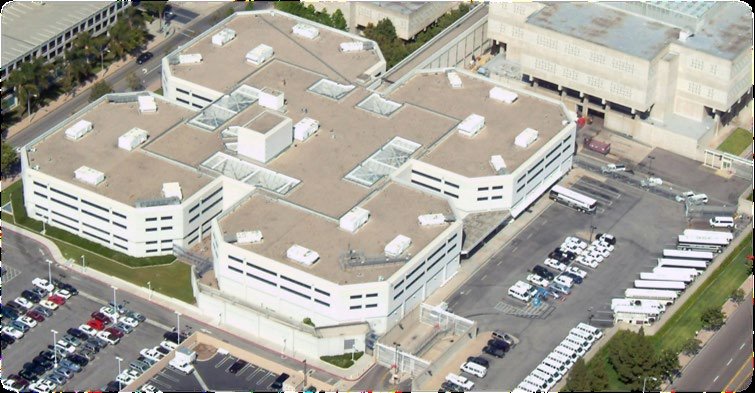
Families can separate their questions into three stages:
- Where is the person now? Identify the arresting agency and current holding facility.
- Has county booking been completed? Ask which booking record belongs to the person and whether a booking number is available.
- What housing and next step apply? Confirm the present facility before planning a visit or pickup.
Use our step-by-step inmate search guide and inmate locator guide for the search itself. The IRC guide covers facility-specific contacts and visiting information.
How Orange County’s jail facilities fit together
The report distinguishes the Central Jail Complex in Santa Ana from Theo Lacy in the City of Orange and the James A. Musick site in Irvine. Knowing a facility’s role is helpful; knowing the person’s current assignment is what determines which visiting, mail and contact instructions to use.
- Intake Release Center: booking and release processing, with housing and care functions as described above.
- Theo Lacy: a separate county jail with different housing arrangements. The Sheriff’s current facility description explains that classification is evaluated over time. See our Theo Lacy family guide.
- James A. Musick: the 2021 report discussed a future construction project. The Sheriff’s current Musick description says construction of the replacement facility is complete and describes an 896-bed direct-supervision design. Use our current Musick guide for practical facility information.
A historical photo or report cannot establish where a particular person is housed today. Check the current custody record before acting on an older facility reference.
Court transportation is different from release
The report describes transportation between county custody facilities, courts and outside care locations. It also describes court holding as temporary custody connected with court appearances. A court trip and a transfer between facilities are different from a release into the community.
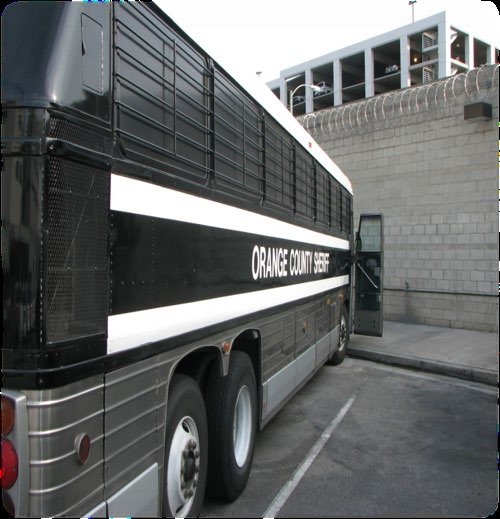
If you are checking an upcoming hearing, keep the court date, court location, custody location and possible release arrangements as separate questions. Our court and arraignment guide explains how to approach hearing information. For a specific request, select the Court date inquiry topic.
Medical, dental and mental health services in custody
The 2021 report examines intake screening, ongoing care and planning for the transition out of custody. Current Orange County Health Care Agency information describes adult correctional medical, dental, nursing, pharmacy and mental health services, including crisis intervention and discharge planning.
A general inmate-information request and a clinical care request serve different purposes. For a health concern, use the responsible facility or health service’s contact process. Our correctional health guide explains care contacts, medication questions and medical-record procedures. Clinical records should go through the health service’s designated process.
Education, veterans programs and preparation for release
The report covers education, vocational training, life skills, recovery support and preparation for returning to the community. Its discussion of the Housing Unit for Military Veteran Inmates, or HUMV, includes the Theo Lacy photograph below.

The Sheriff’s current correctional programs description includes education, job-related skills, recovery activities and specialized programming for veterans and other groups. A published program description does not establish an individual’s enrollment. Ask which services are available in that person’s housing unit and how participation is arranged.
The report also discusses work crews, the Community Work Program and electronic monitoring. Those are distinct arrangements with their own approval requirements. A reference to one of these programs should not be read as a promise of eligibility or a specific release date.
Calls, visits, commissary and bail answer different needs
The report’s inmate-services sections help distinguish everyday communication and support from case and release questions. Before sending money or arranging contact, identify the purpose and the current facility:
- Calls and messages: use our phone calls and messages guide for receiving an inmate’s call and understanding the communication process.
- Visits: use the visiting instructions for the person’s present facility. Pandemic-era restrictions in the 2021 report are historical.
- Commissary: an inmate account is used for permitted purchases. An account deposit should not be confused with a bail payment.
- Charges and bail: review the inmate charges guide and bail information guide, then ask about the person’s actual case and current status.
A practical checklist for families
Keep a short record of what you know and what still needs confirmation:
- The person’s full legal name and date of birth, if known.
- The arrest city, arresting agency and approximate arrest time.
- The booking number, if available, and current housing facility.
- The exact question: location, available charges, bail amount, court date, calls or visits.
- Any confirmed next step, the source of that information and when it was checked.
For release arrangements, use our release and pickup guide. Confirm the release location and status before traveling. For ongoing support, the health guide covers continuity-of-care and community-service contacts.
Common questions about the report and jail process
Does the 2021 report show who is in jail today?
No. It is an oversight report about facilities and services, not a live custody roster. Use the inmate-search guides or request current inmate information.
Does being at the IRC mean someone will be released soon?
No. The IRC has both processing and housing functions. Ask about the person’s actual custody status and next step rather than drawing a conclusion from the facility name.
Does a veterans housing photo confirm current program placement?
No. It documents a unit pictured in the 2021 report. Current housing, program availability and individual participation need separate confirmation.
Which parts of the report should not be used as current instructions?
Its pandemic restrictions, population totals, staffing figures, construction forecasts and legal-policy discussions describe that reporting period. This guide uses the report for dated background and photographs, with current agency descriptions where indicated.
Useful terms
- Booking
- The intake and record-processing stage associated with entering custody.
- Classification
- The assessment used to determine appropriate housing and related custody arrangements.
- IRC
- Intake Release Center.
- CHS
- Correctional Health Services.
- Reentry
- Preparation and support for returning to the community after custody.
Need help with the next question? Request Inmate Information and choose any topics that apply. The inmate’s date of birth is optional if you do not know it.
Source note: Historical material and the three photographs come from A Look Behind the Bars of the Orange County Jails, Orange County Grand Jury 2020–2021, released June 14, 2021. Relevant printed pages: 2–6, 8–12, 16–18 and 22. The report includes findings and recommendations as well as background; it is not an endorsement of OC-Jail.com. Current agency descriptions linked in this guide were reviewed October 29, 2026.